The problem affected visitors who had declined tracking
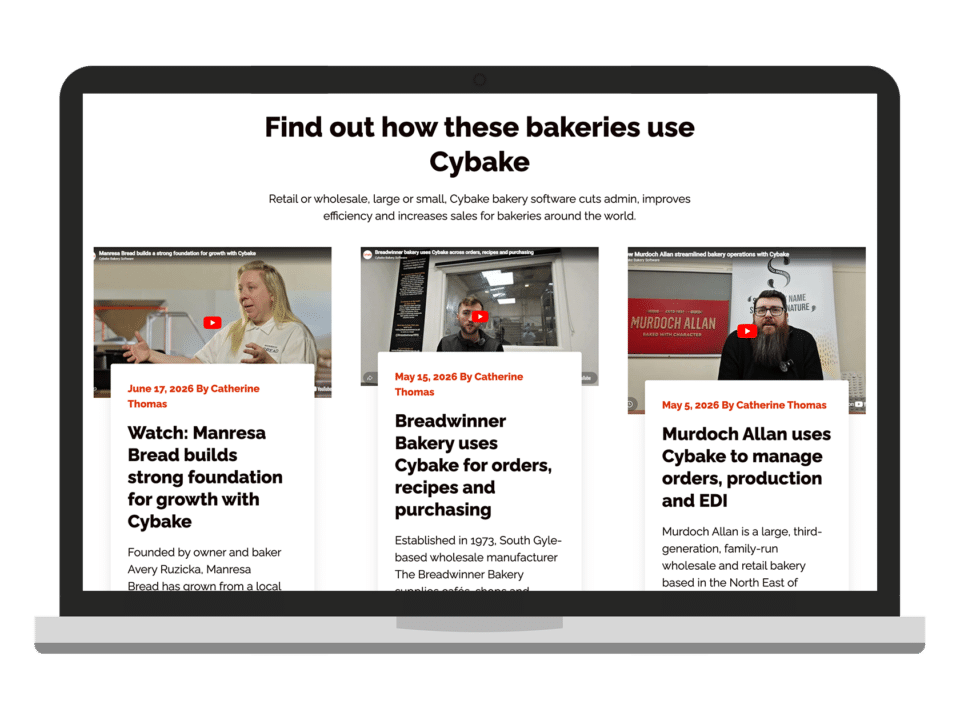
Cybake was using LinkedIn and Facebook advertising to direct potential customers to a video case study. The advertising itself was performing well, with one LinkedIn campaign achieving a click-through rate of more than 5%.
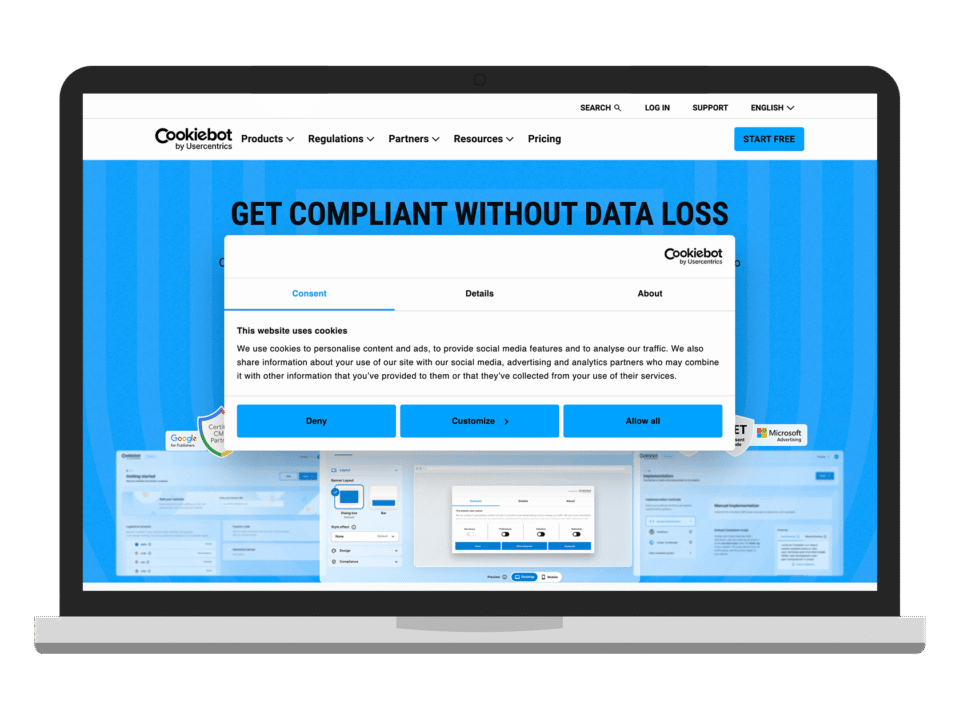
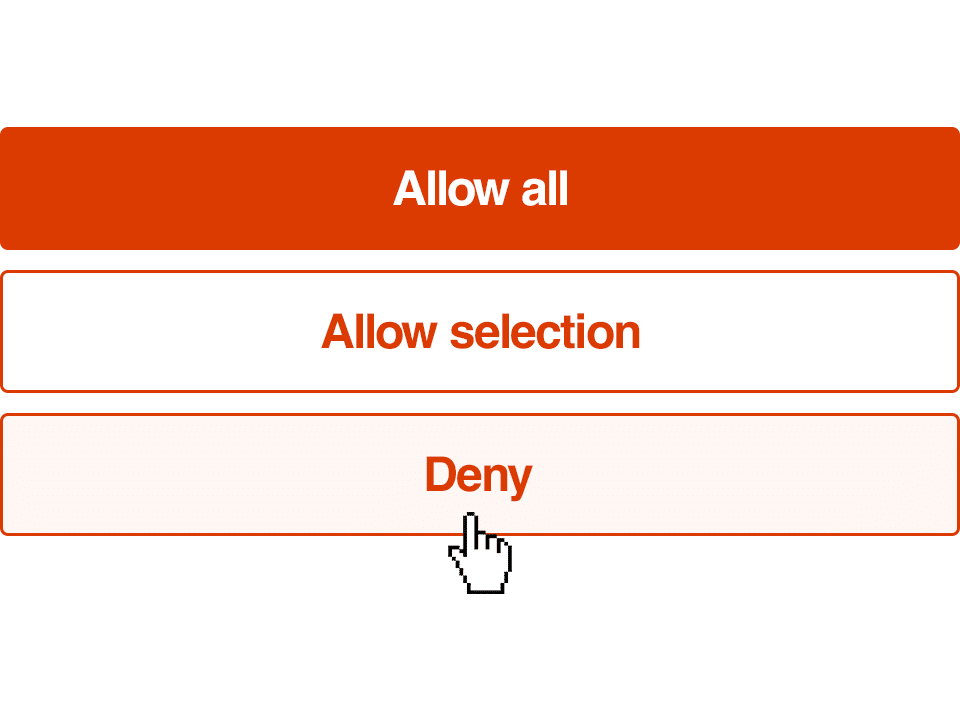
When visitors arrived, they encountered the website’s normal consent banner and could choose whether to accept or reject the relevant tracking technologies. Those who accepted the appropriate categories could subsequently watch the embedded video without any further interruption.
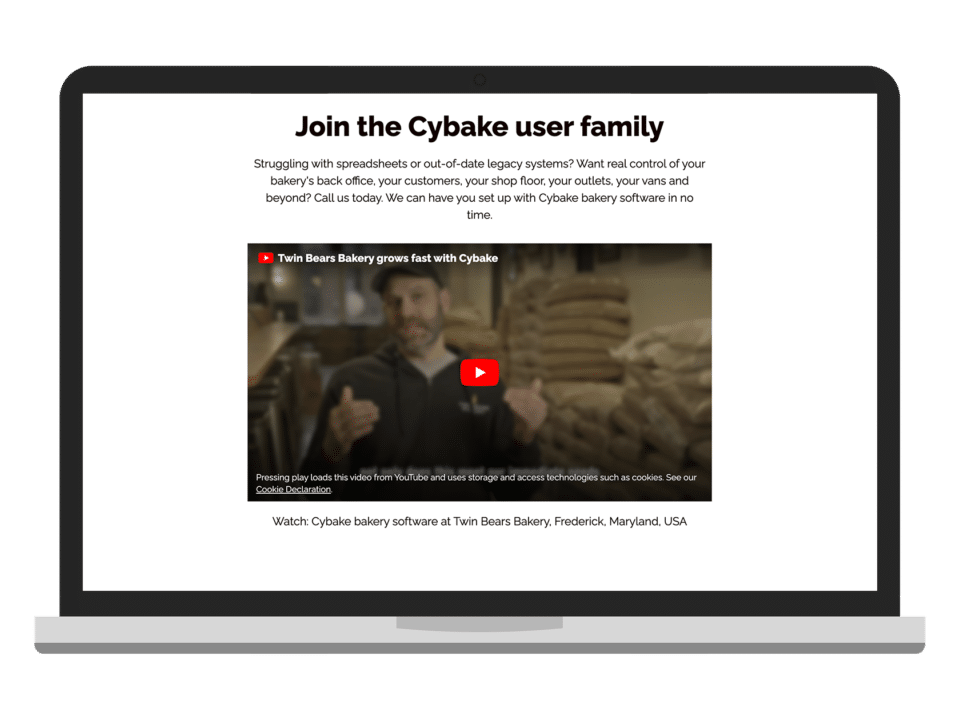
The problem concerned visitors who had chosen not to accept tracking. Their choice was correctly respected: the website didn’t load the third-party video player because doing so could involve storage, identifiers or communication with the external video provider. However, if that visitor subsequently decided they did want to watch the case-study video, they couldn’t simply press Play. They needed to reopen the website’s cookie settings and change the consent decision they had already made.
This created an awkward conflict. Someone could quite reasonably decide that they didn’t want to consent to general marketing and tracking technologies, but did want to watch this particular video. The website didn’t provide a straightforward way to express those two choices independently.
For campaign traffic arriving specifically to watch a video case study, that was significant friction at an important point in the journey.






 '

 '